
.webp?width=1180&height=550&name=LIDAR+AI+BIM%20(1180%20x%20550%20px).webp)
ai
Scan-to-BIM
AEC
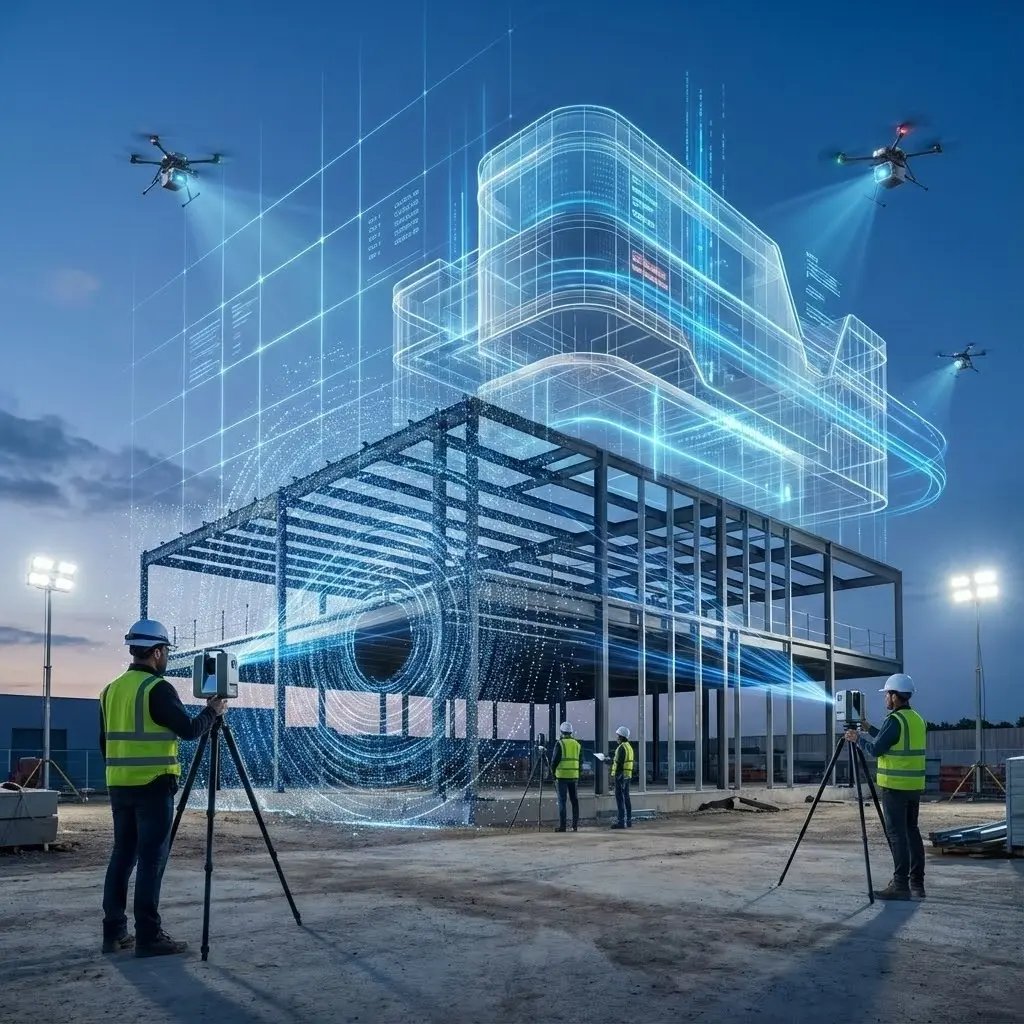

LiDAR scanning and BIM are two powerful technologies reshaping the accuracy, speed, and quality of construction workflows.
LiDAR (Light Detection and Ranging) captures high-resolution 3D data using laser measurements, delivering precise as-built details of buildings or sites.
Meanwhile, Building Information Modeling (BIM) provides a digital representation of physical and functional aspects of a building.
When combined, LiDAR and BIM create a highly accurate, real-time view of existing structures and terrain. LiDAR scans imported into BIM software generate precise as-built models, enabling architects, engineers, and contractors to make informed decisions throughout design, construction, and maintenance stages.
This combination reduces manual measurement errors, accelerates project workflows, and brings unmatched precision to planning and execution
LiDAR delivers detailed 3D point clouds that integrate seamlessly into BIM models.
This ensures designers and engineers work with real-world conditions—critical for retrofit, renovation, facility management, and industrial plant upgrades.
LiDAR’s rapid data capture eliminates slow, manual surveys.
The scanned data is quickly imported into BIM platforms, reducing human error and maintaining consistent quality.
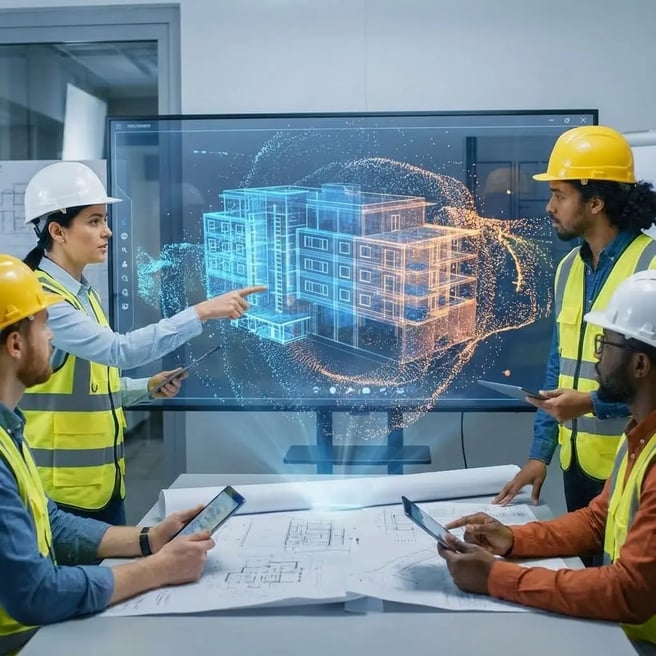
3D visualization helps teams understand spatial conditions clearly.
Stakeholders visualize conflicts, constraints, and opportunities early, enabling faster decision-making and improved project coordination.
 While LiDAR + BIM offers major advantages, a few limitations remain:
However, with the rise of AI and automation, many of these limitations are rapidly shrinking.
LiDAR and BIM adoption is accelerating worldwide.
Construction teams are leveraging these technologies for:
The combination offers precise project insights, reducing risks, improving design quality, and enhancing collaboration among architects, engineers, contractors, and facility managers.
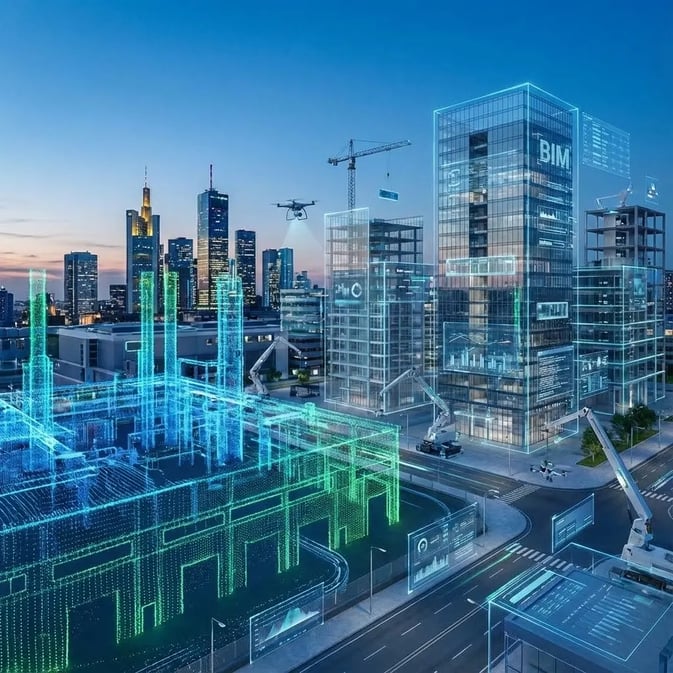
Today’s construction and engineering industries are shifting from manual BIM modeling to Advanced automation, significantly transforming Scan-to-BIM processes.
deep learning models now convert LiDAR point clouds into BIM models faster and more accurately.
Technologies like Scan- to-BIM-Net, which use hybrid CNN-transformer architectures, can:
This automation drastically reduces modeling time and improves consistency across projects.
BIM workflows by automating:
This results in:
teams to deliver BIM models in days instead of weeks.
LiDAR and BIM into future-ready workflows such as:
By analyzing historical LiDAR scans and BIM records, AI can:
This enhances facility management and reduces downtime.
LiDAR scans with IoT sensors, thermal cameras, and environmental data to produce intelligent digital twins.
These digital twins support:
Several technology leaders are pushing AI-enabled Scan-to-BIM forward:
Autodesk: AI-powered features in ReCap, Autodesk Construction Cloud, and Forma
Nvidia: Omniverse-based 3D simulation and real-time collaboration with AI LiDAR processing
Bentley: AI-driven reality modeling for infrastructure
Emerging trends include:
LiDAR data integrated into BIM workflows is a powerful foundation for modern construction and infrastructure projects. LiDAR provides highly accurate 3D data, while BIM organizes this information into actionable, intelligent digital models.
With the rise of AI and machine learning, Scan-to-BIM workflows have become even more efficient—automating segmentation, improving accuracy, accelerating model creation, and enabling advanced applications like predictive maintenance and real-time digital twins.
As construction teams worldwide embrace digital transformation, the combination of LiDAR + BIM + AI is becoming the new standard for delivering safer, smarter, and more cost-effective building solutions.
BIMBOSS CONSULTANTS continues to leverage these advanced workflows to deliver precision-driven, technology-enhanced solutions for projects in the USA and across the globe.
Use of Lidar Scanning Services for Ammonia Plant
How BIM Outsourcing and Clash Detection Services Save Time & Money in US Construction
The Role of Structural BIM Modeling in High-Rise Construction
Scan to BIM Services: The Future of Renovation & Restoration Projects
What is BIM? A Complete Guide for Architects, Engineers & Contractors
